More than 100 countries visited. In 2026, Colombia's flag at the Geographic South Pole and at the North Pole.
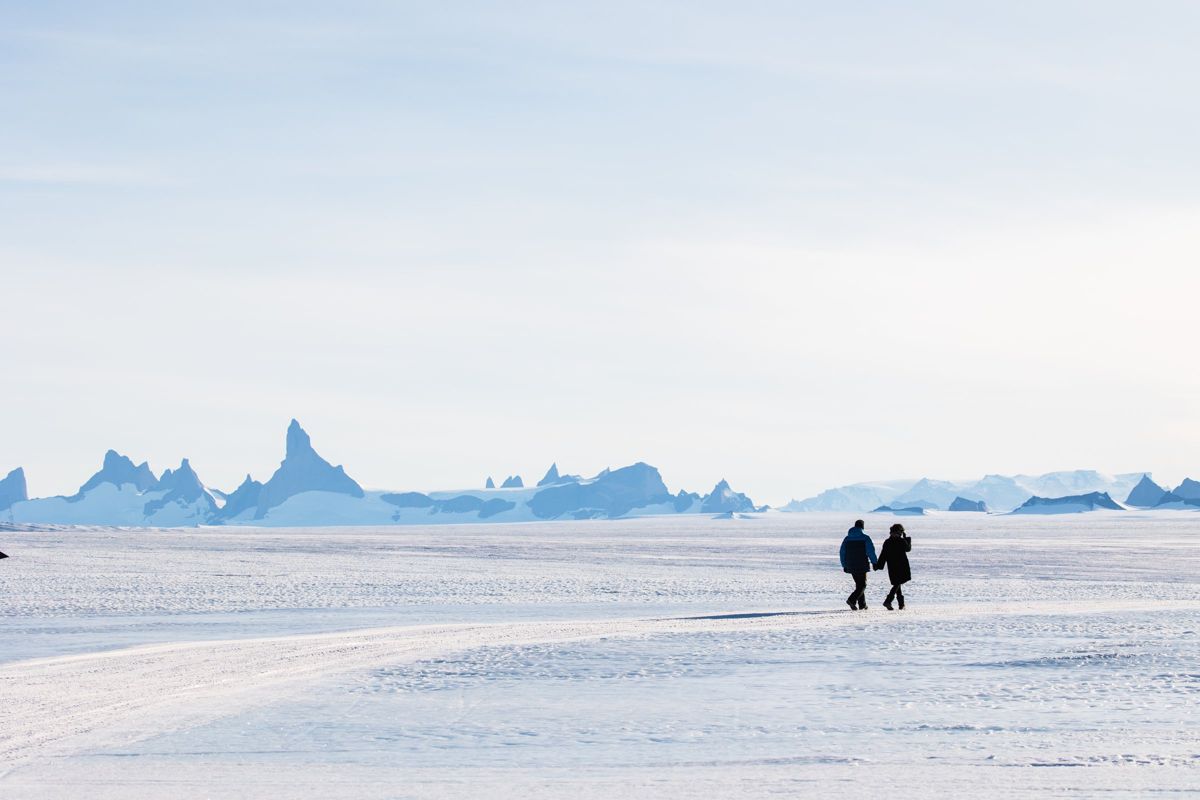
Some trips are vacations. This one was an expedition. The arrival was on a modified DC-3 turboprop that landed on a blue-ice runway, facing the last black rock mountains of the continent before the true white desert begins, all the way to the South Pole.
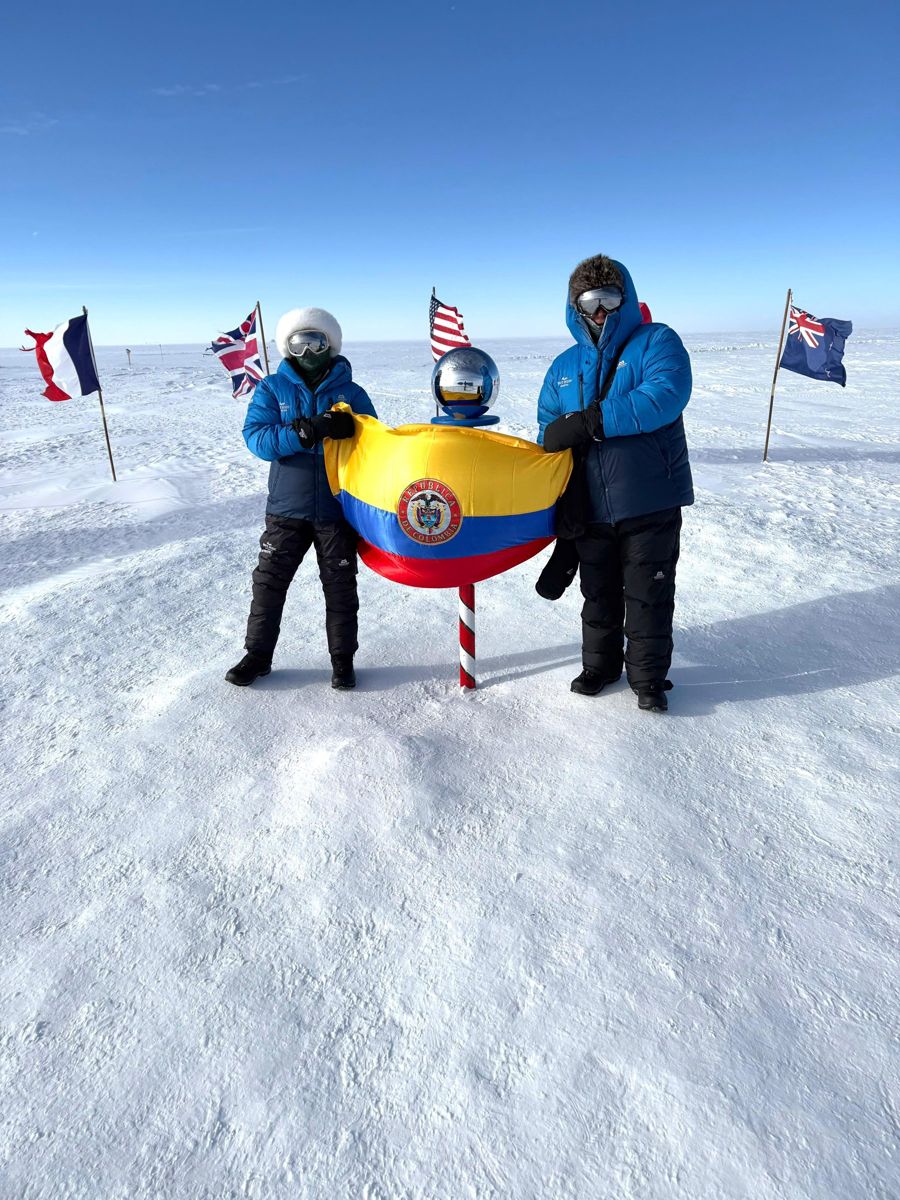
The big day was January 24, 2026: the Geographic South Pole. The red-and-white ceremonial pole with its mirrored sphere, the flags of the nations, the Amundsen-Scott station sign, and the Colombian flag unfolded at the point where every meridian meets.
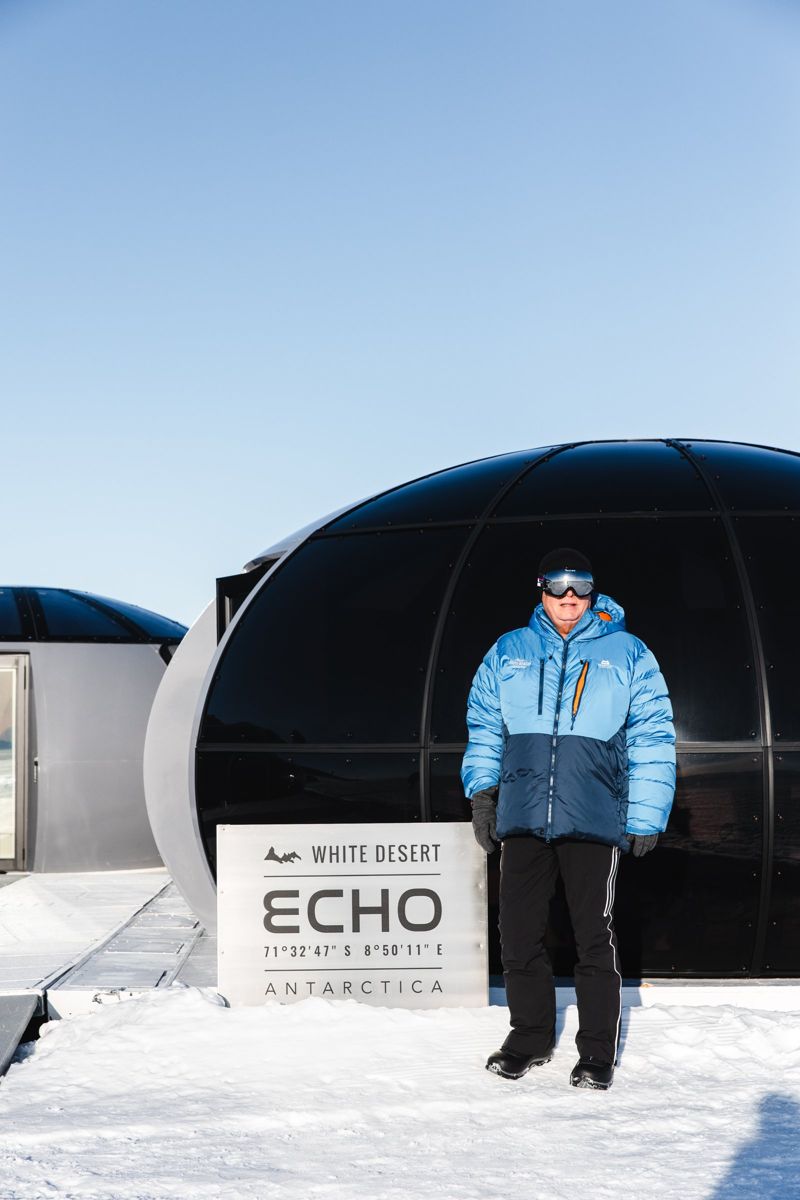
White Desert's Echo camp felt like traveling to another planet: futuristic domes on the ice, curling on the ice, an ice cave glowing blue and purple and, at Atka Bay, a few emperor penguins, the true owners of this continent.


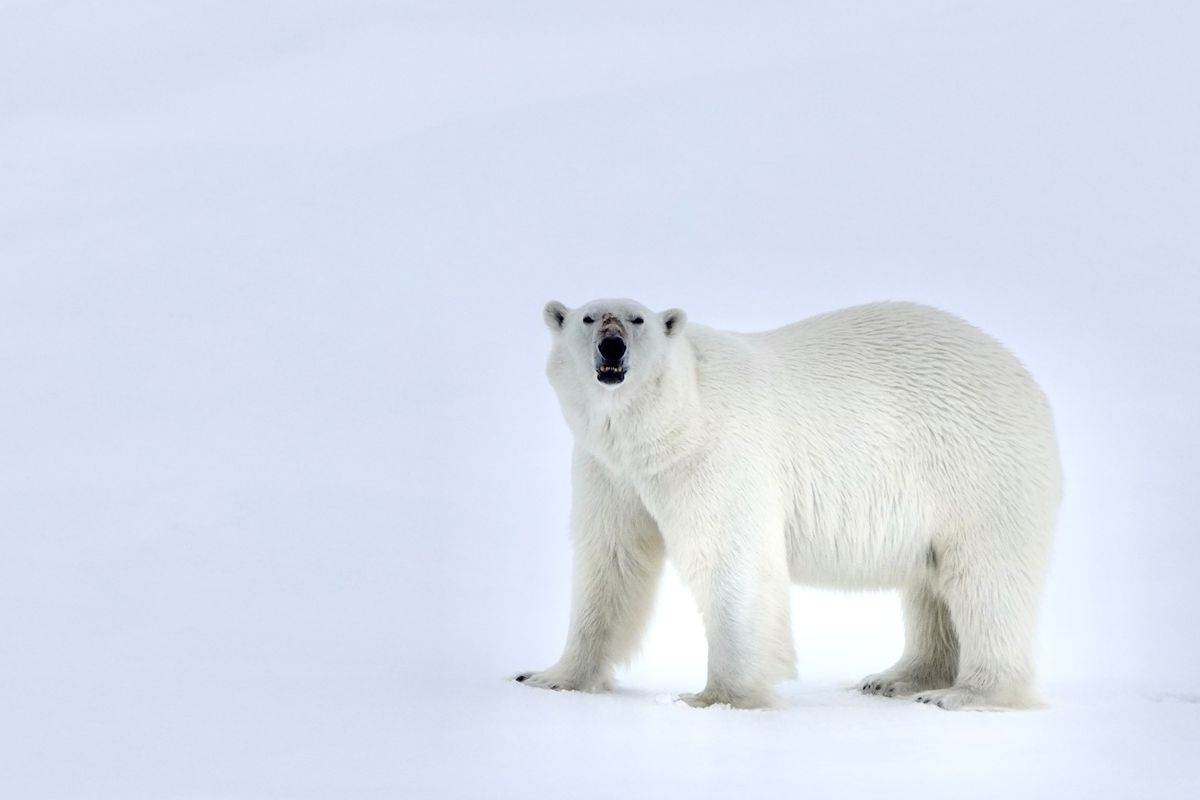
The voyage sailed from Svalbard aboard Ponant's Le Commandant Charcot, an icebreaker designed with the latest Arctic technology. Fifteen days in all: three sailing to the Pole, two of them breaking through ice up to two meters thick, with whales, curious polar bears and 24-hour daylight.
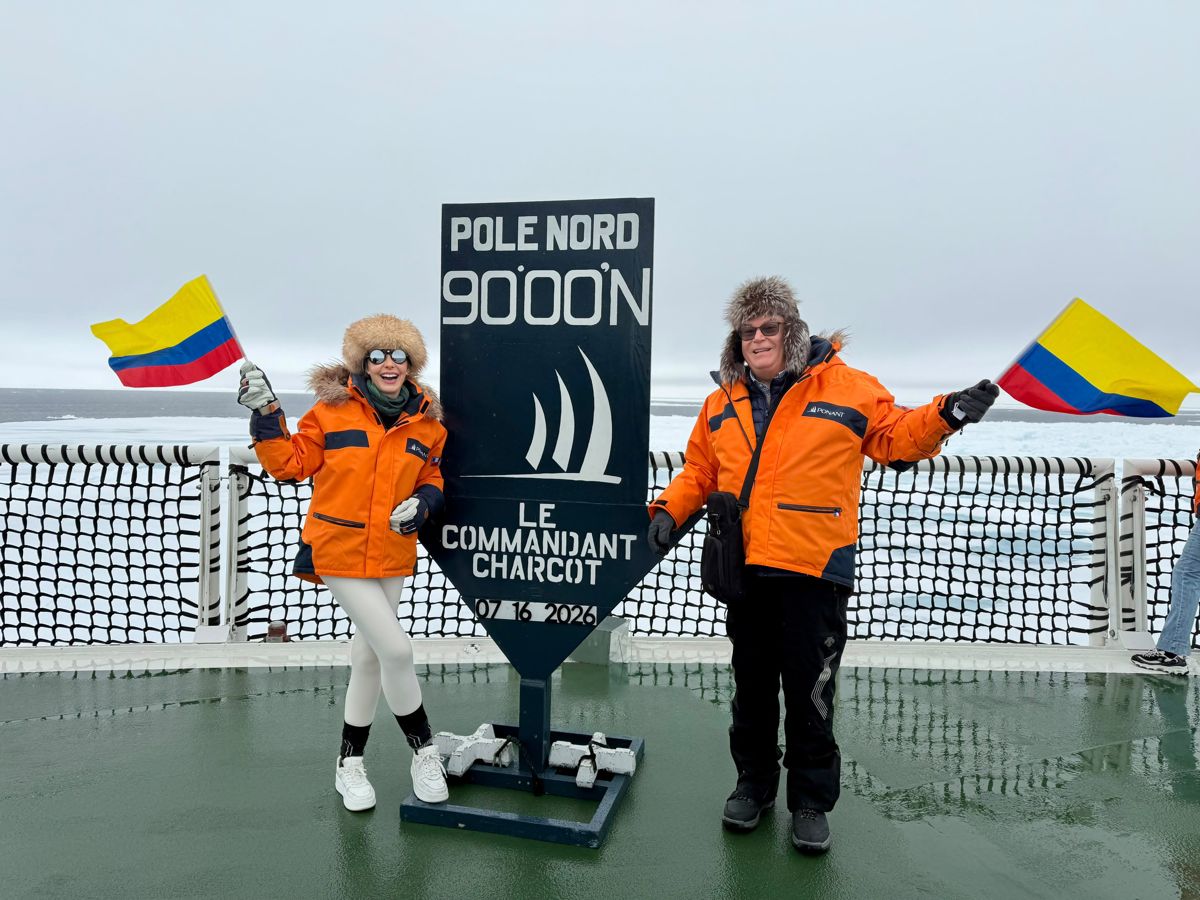
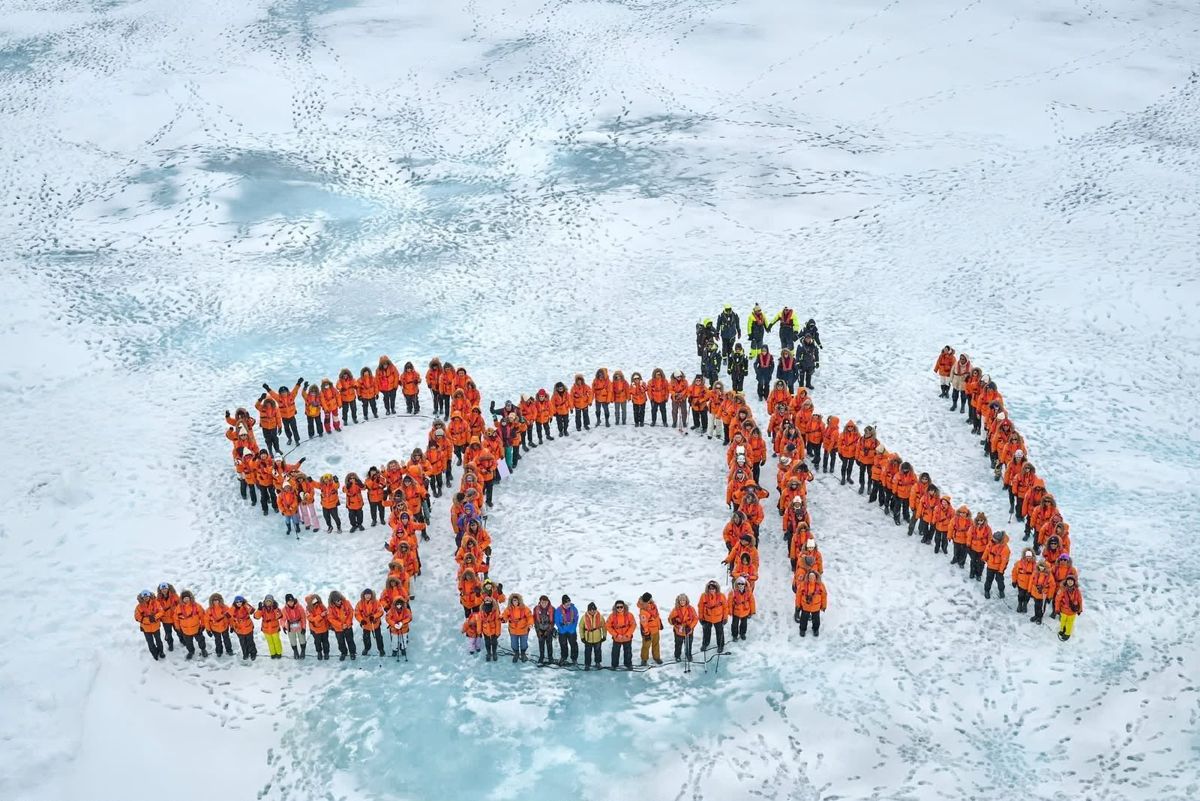
On July 16, 2026 the ship reached 90°00' North. On deck, the Colombian flag next to the "Pole Nord 90°00'N" sign at the top of the planet. On the ice, all the passengers formed a giant "90N" with their bodies. Right there, stopped in the ice, was the Russian icebreaker, the only ship that compares.


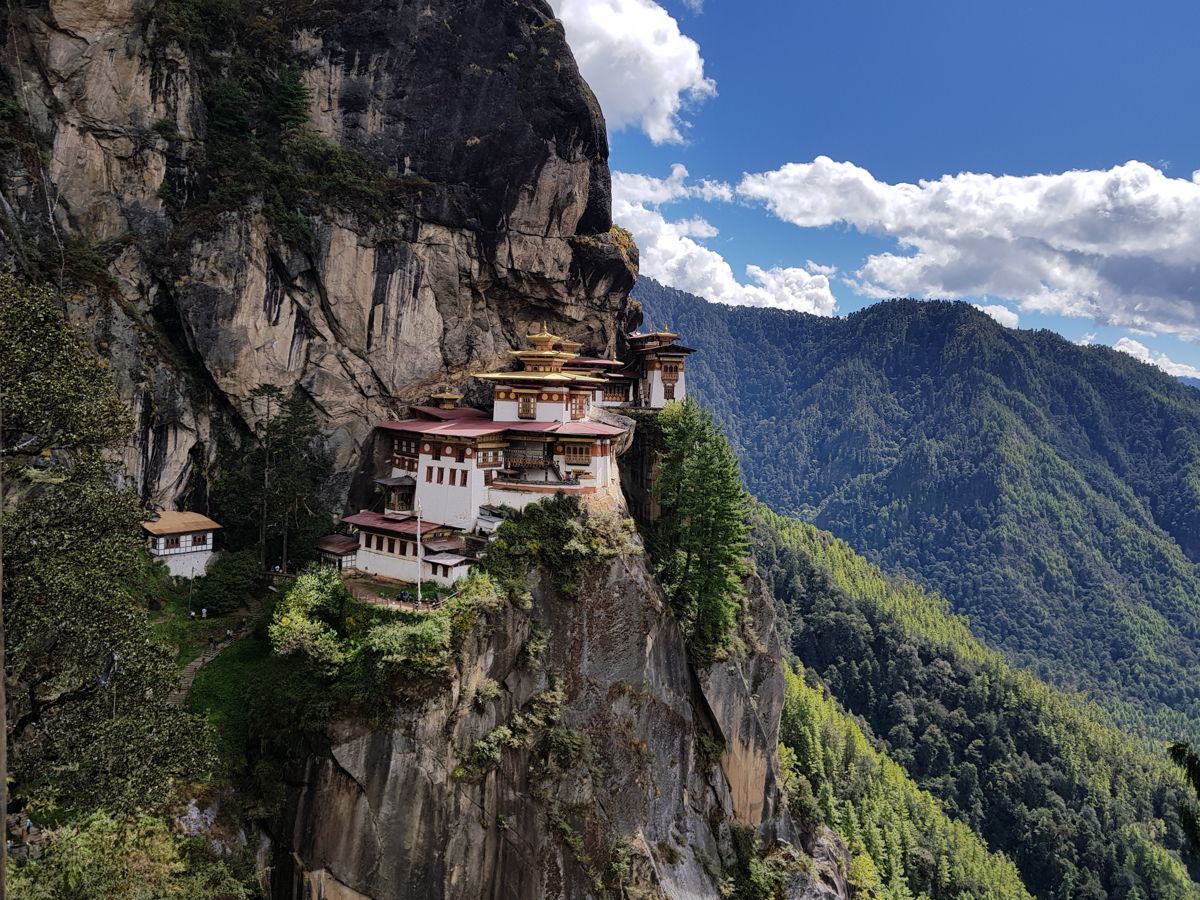
The ride up to Tiger's Nest (Paro Taktsang) was on horseback, and the horses had no reins. At first it was scary: how do you steer a horse without reins? But from one precipice to the next it became clear it was better that way. That horse had climbed those trails for years and knew its route; the real danger would have been trying to over-control it at the edge of a cliff.
And then the monastery appears, clinging to the cliff as if defying gravity, surrounded by green mountains and blue sky. A lesson brought home from Bhutan: sometimes you have to let the one who knows the path lead the way.